Vastgoed Kelchtermans — Real Estate

Space is
more than
structure.

Architecture shapes the way we experience places. Every building, interior and urban environment has its own spatial character, purpose and potential.

Explore the composition
01The spatial composition
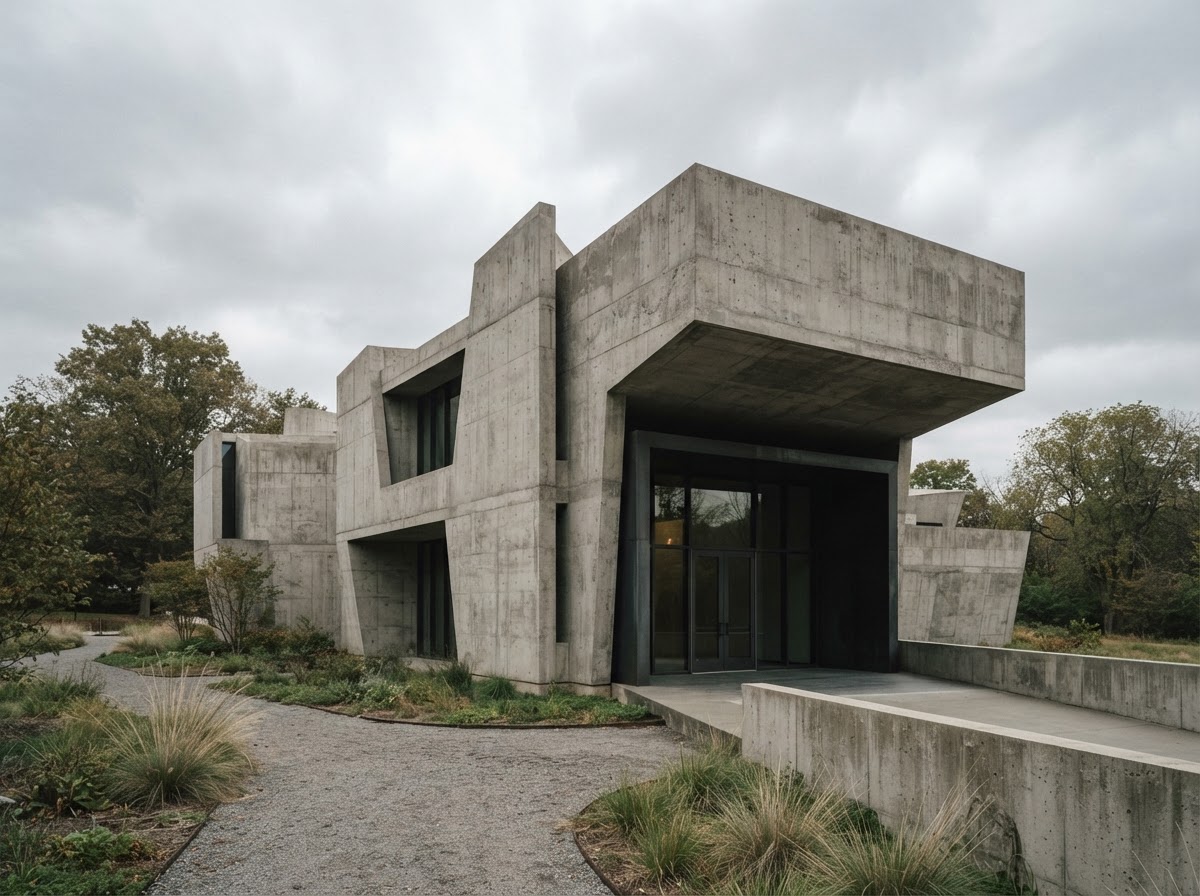
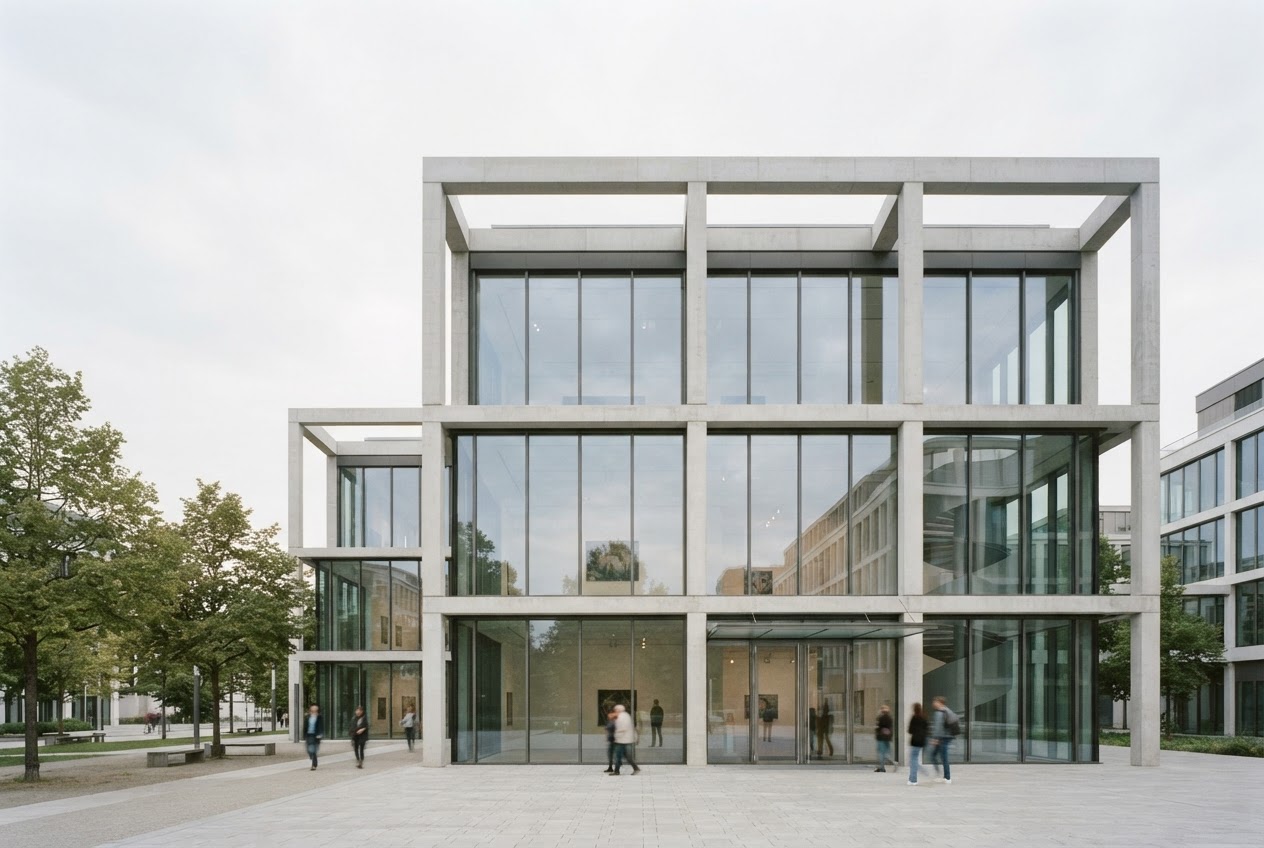
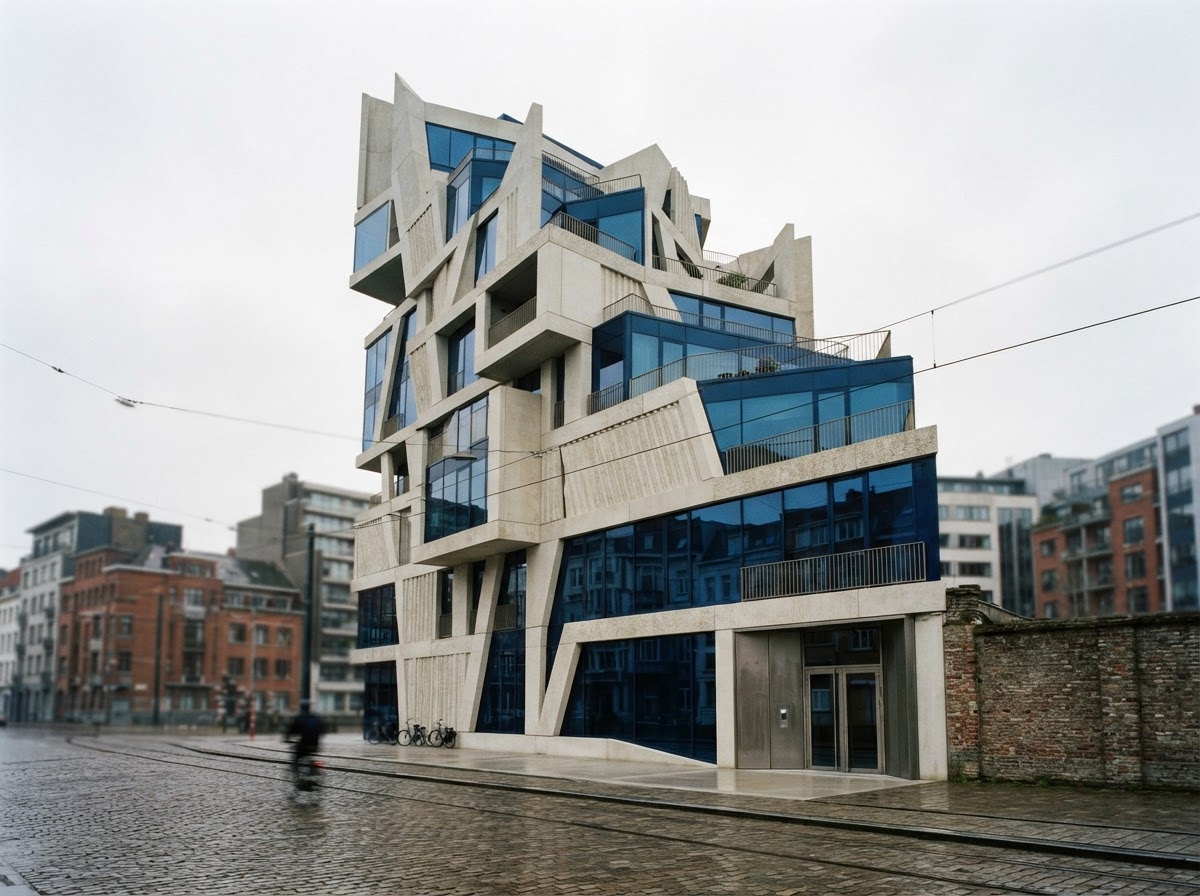
Sculptural concrete and glass architecture rising into a pale sky
01 / 06Built form, viewed anew
01Opening notes

The language of space

A place is
never just
a place.

+Boundaries
become relationships

Buildings are more than physical structures. They define boundaries, create relationships and influence the way people interact with their surroundings.

Real estate exists at the intersection of architecture, function and everyday life. Understanding a property means looking beyond its exterior appearance. Its proportions, organization, accessibility, surroundings and architectural character all contribute to the way a space is perceived and used.

A / BN

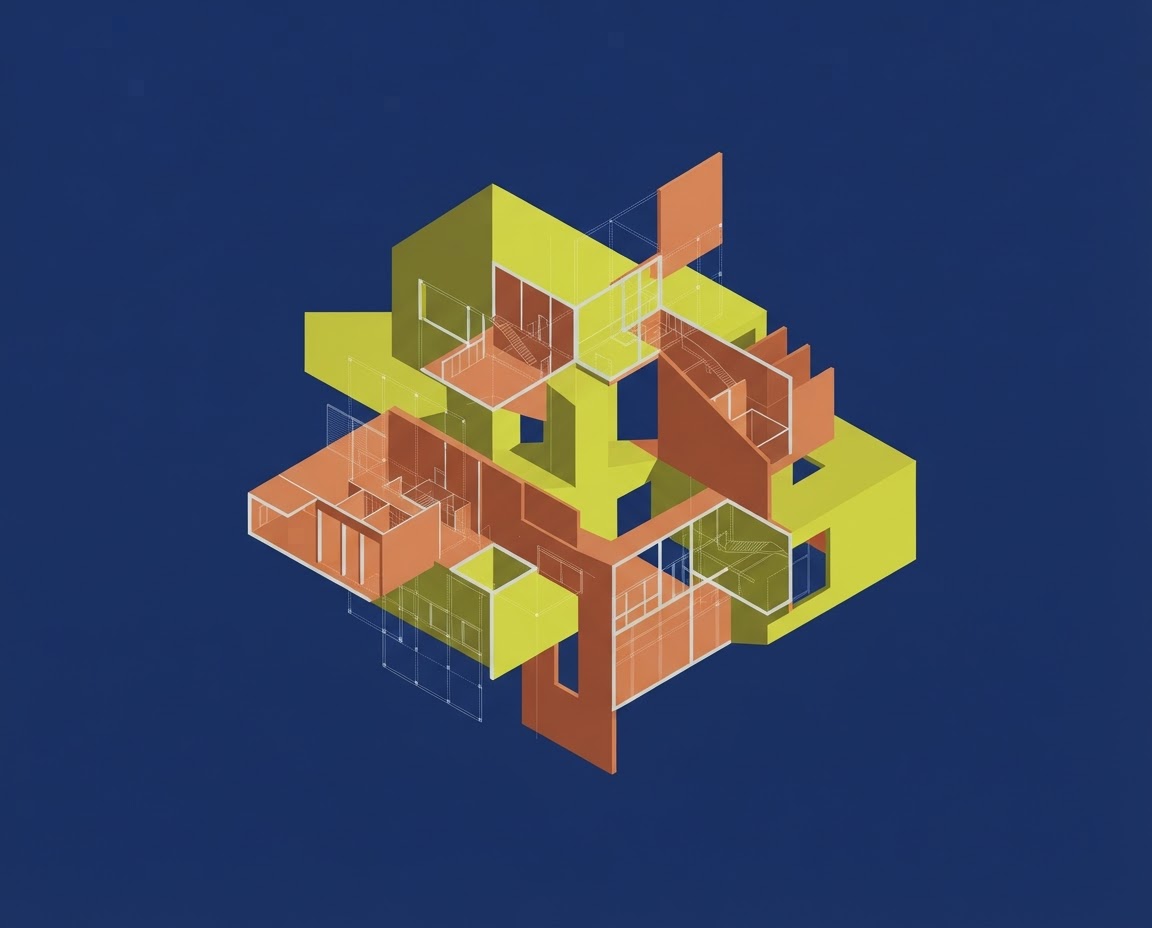
Fig. 01 A study in thresholds, sequence and orientation.

02Field guide

The architectural atlas

An atlas of
built environments

Different structures. Different purposes.
One shared language of space.

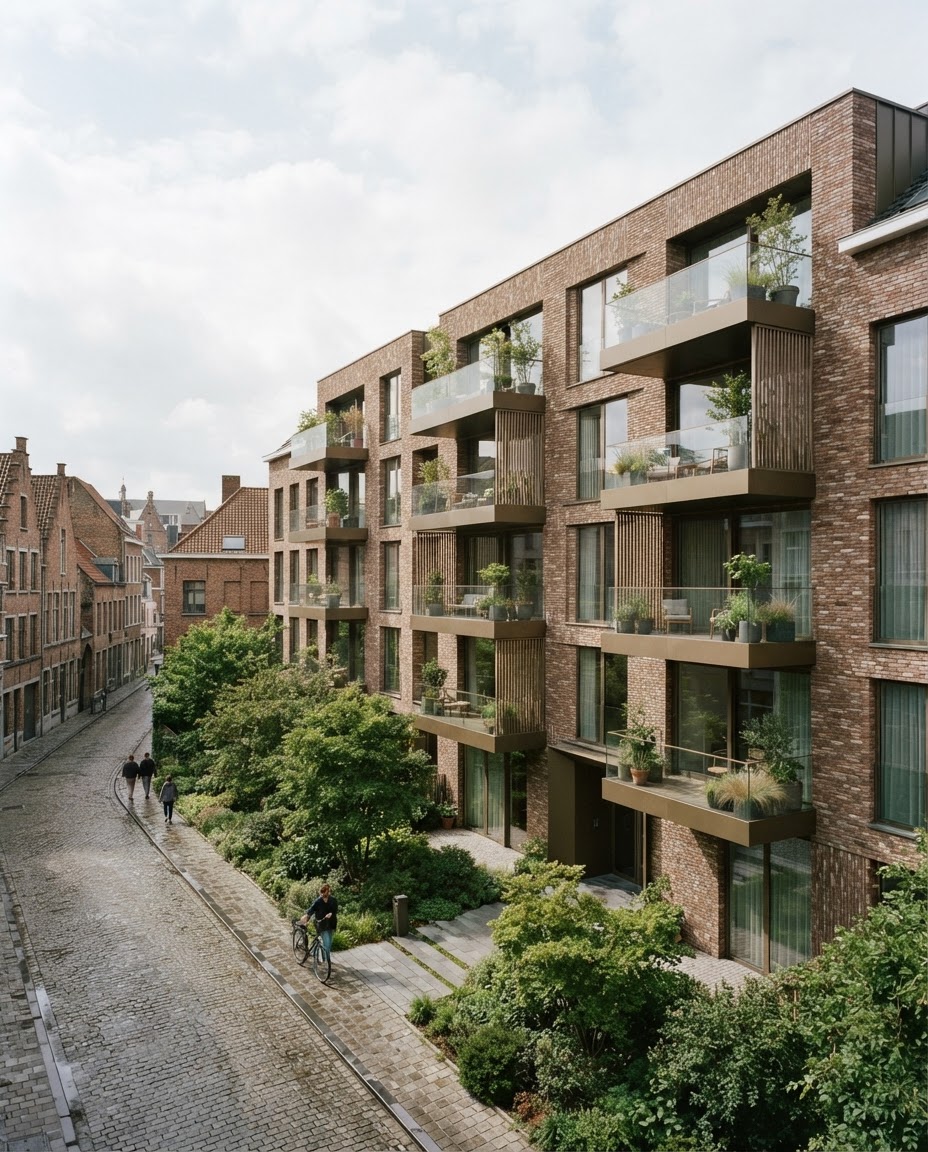
Contemporary residential facade with modular balconies and a green courtyard edge
01 / Spatial typology
01

Residential Architecture

Residential architecture is shaped by the relationship between private space, shared environments and everyday functionality. Layout, proportions, natural light and surrounding infrastructure influence the character of a residential property.

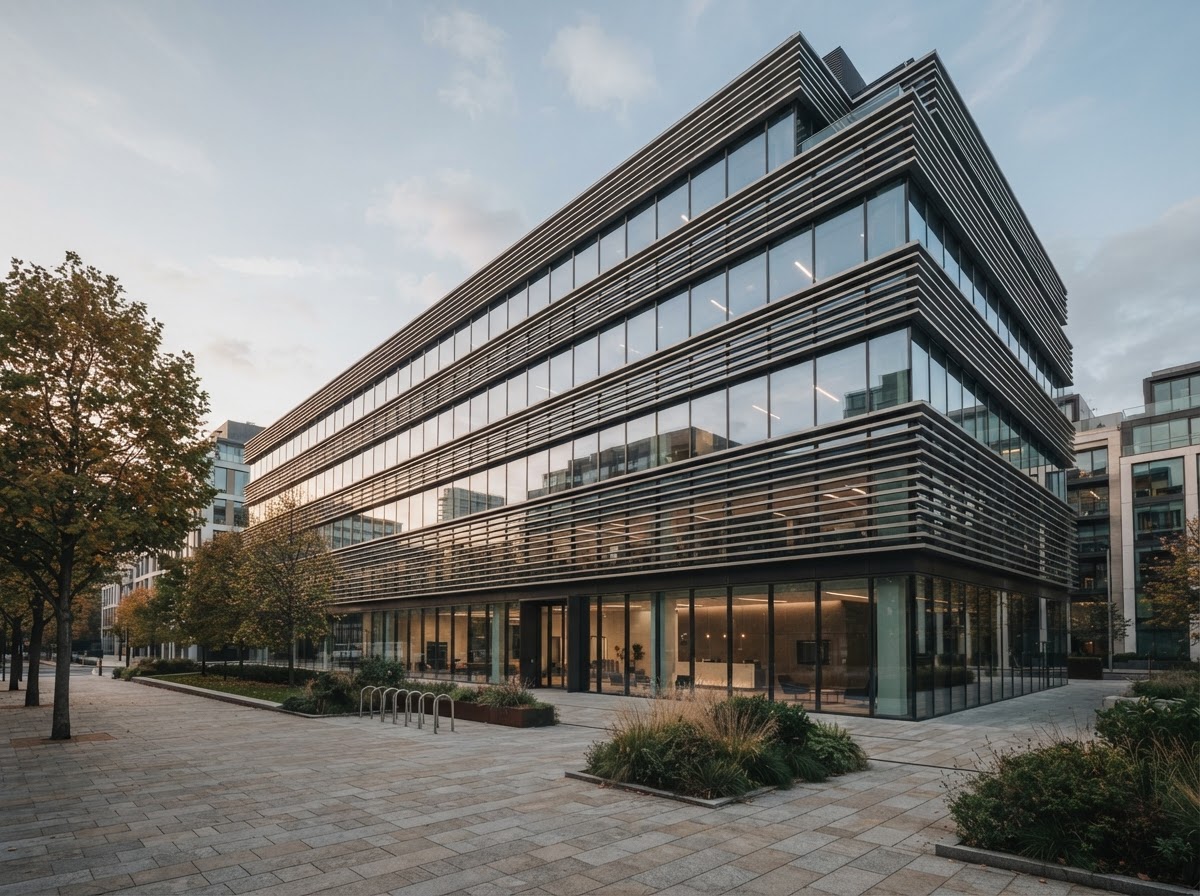
Contemporary commercial building with horizontal fins and generous glazing
02 / Spatial typology
02

Commercial Architecture

Commercial environments combine practical requirements with architectural identity. Their organization, accessibility and relationship with surrounding urban spaces contribute to how people experience and use them.

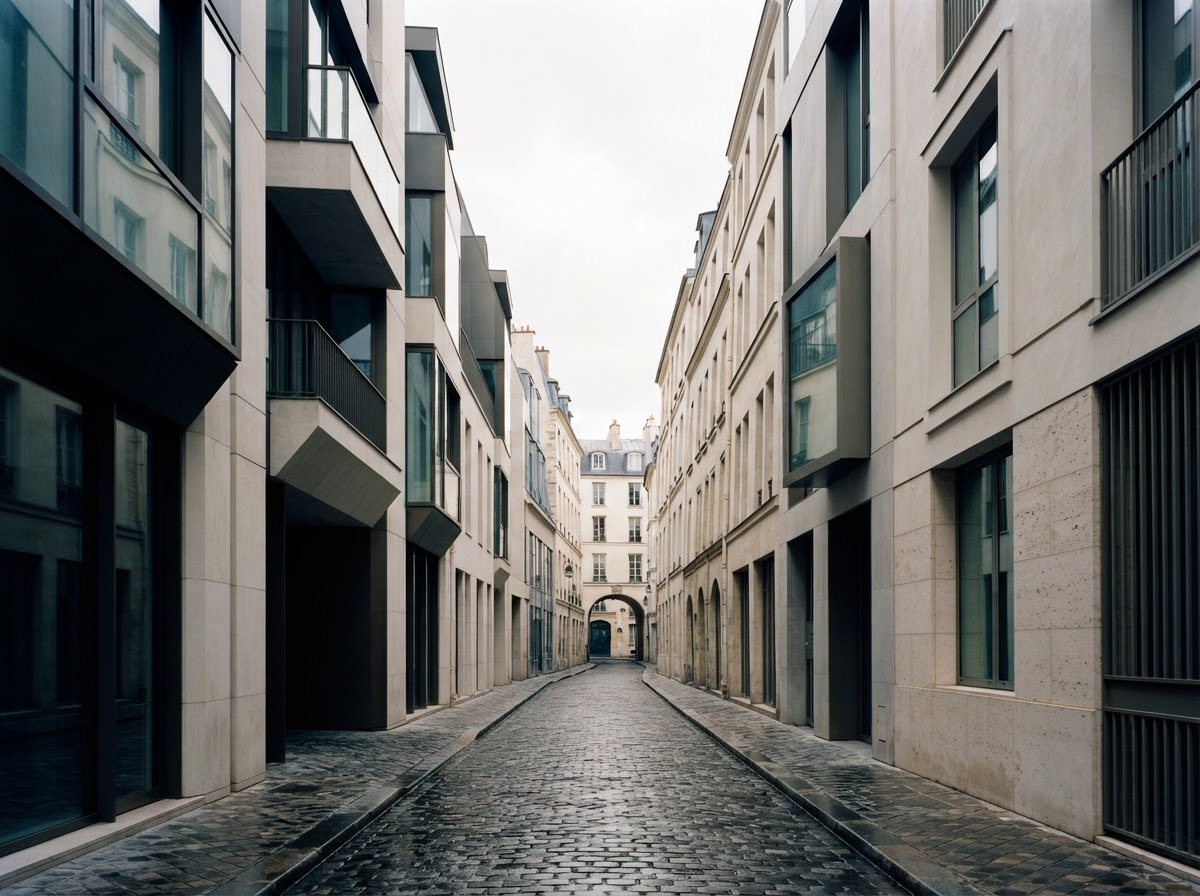
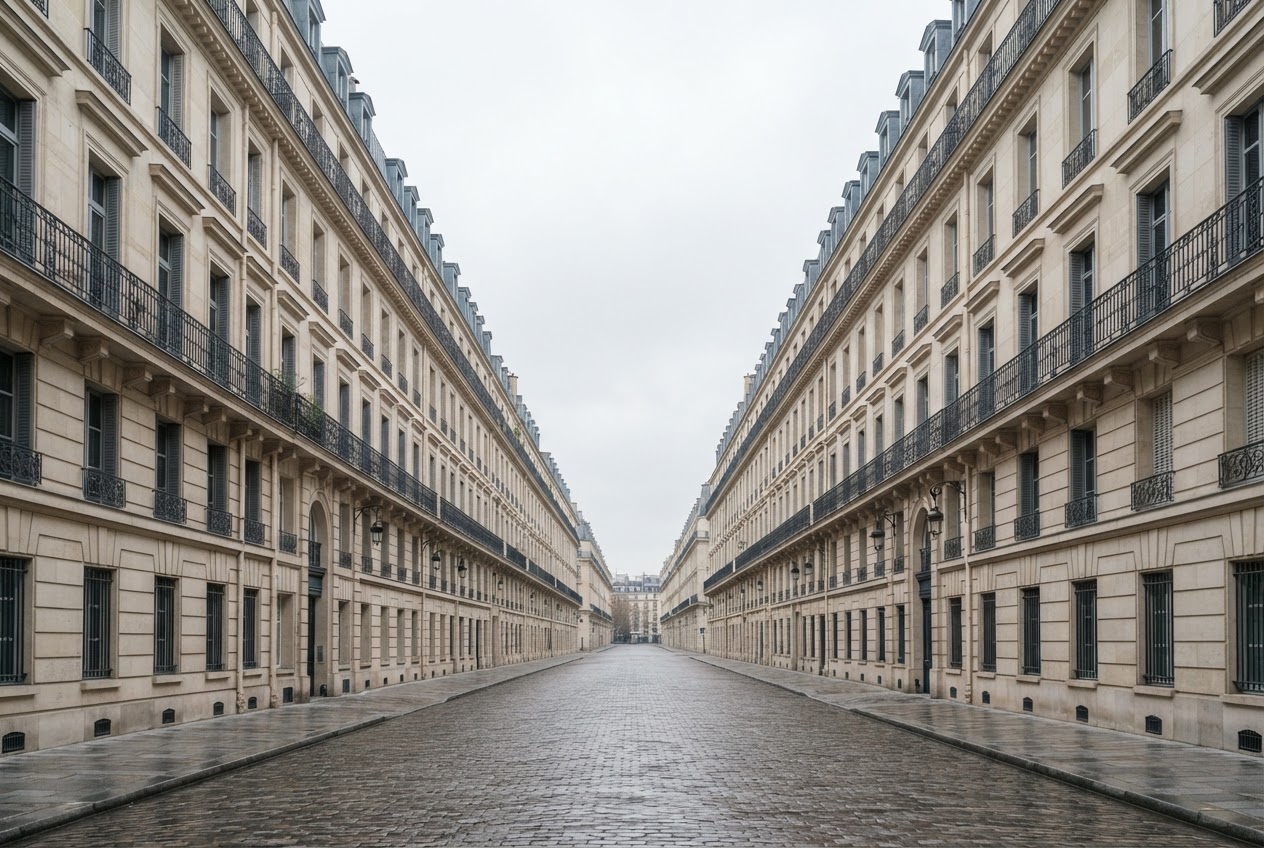
Perspective along a geometric European city street between pale modern facades
03 / Spatial typology
03

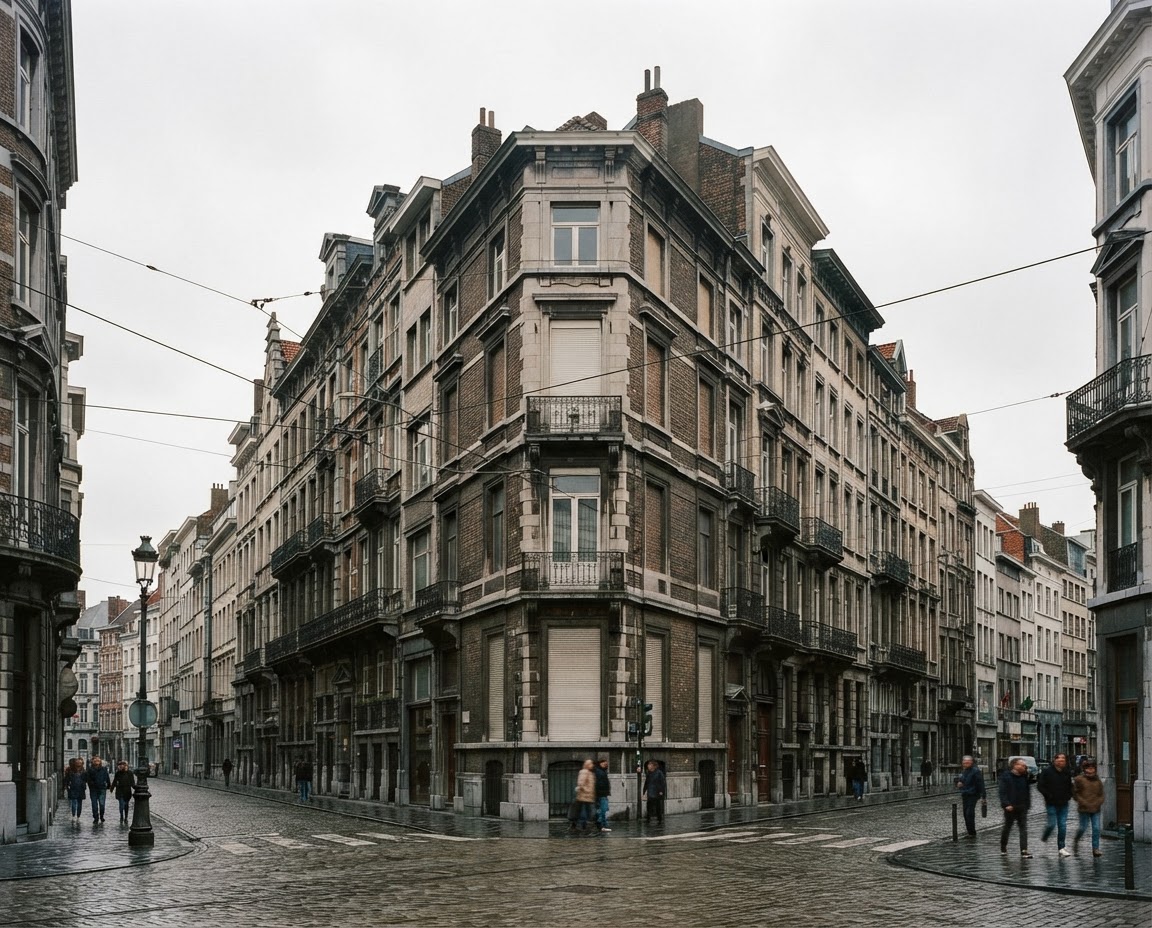
Urban Structures

Urban structures form the visual framework of cities. Streets, buildings, public spaces and circulation routes work together to create distinctive urban environments.

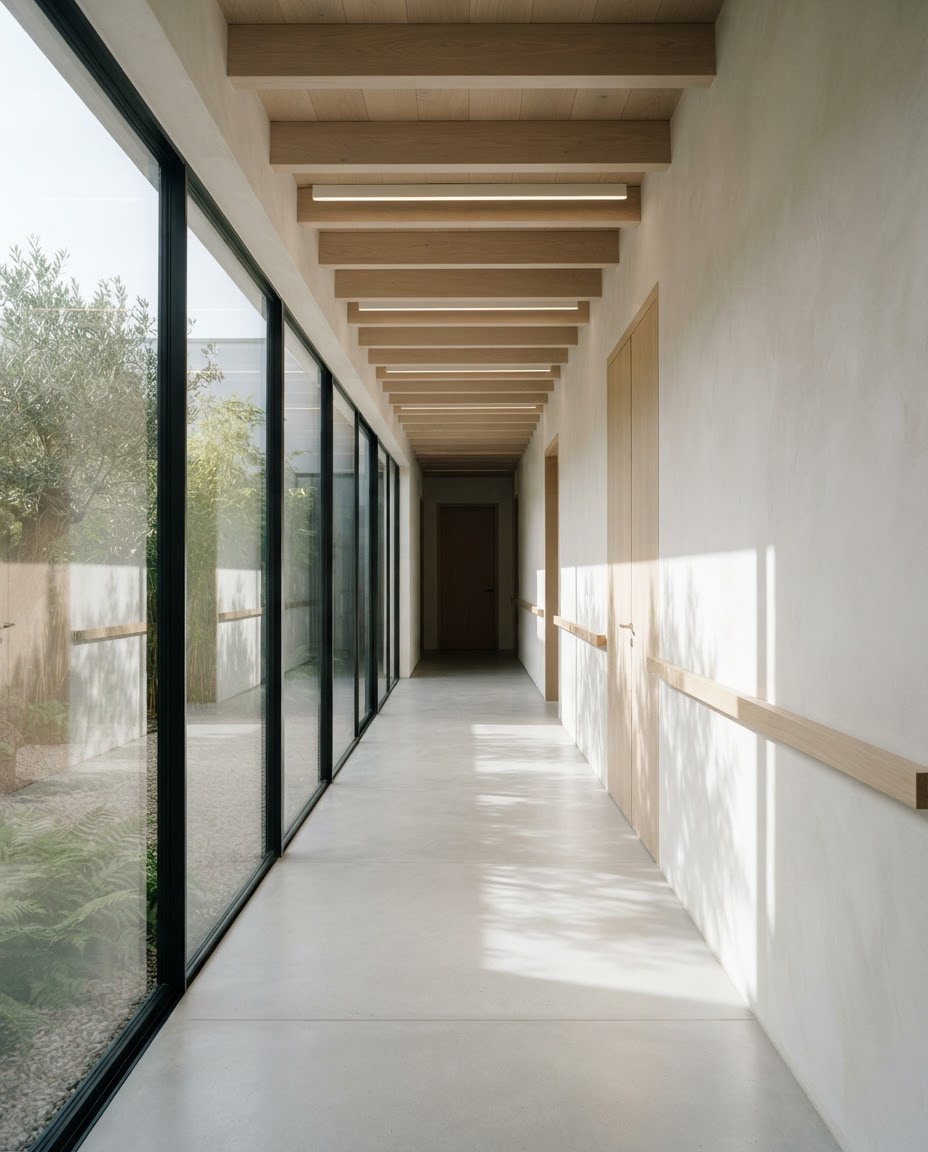
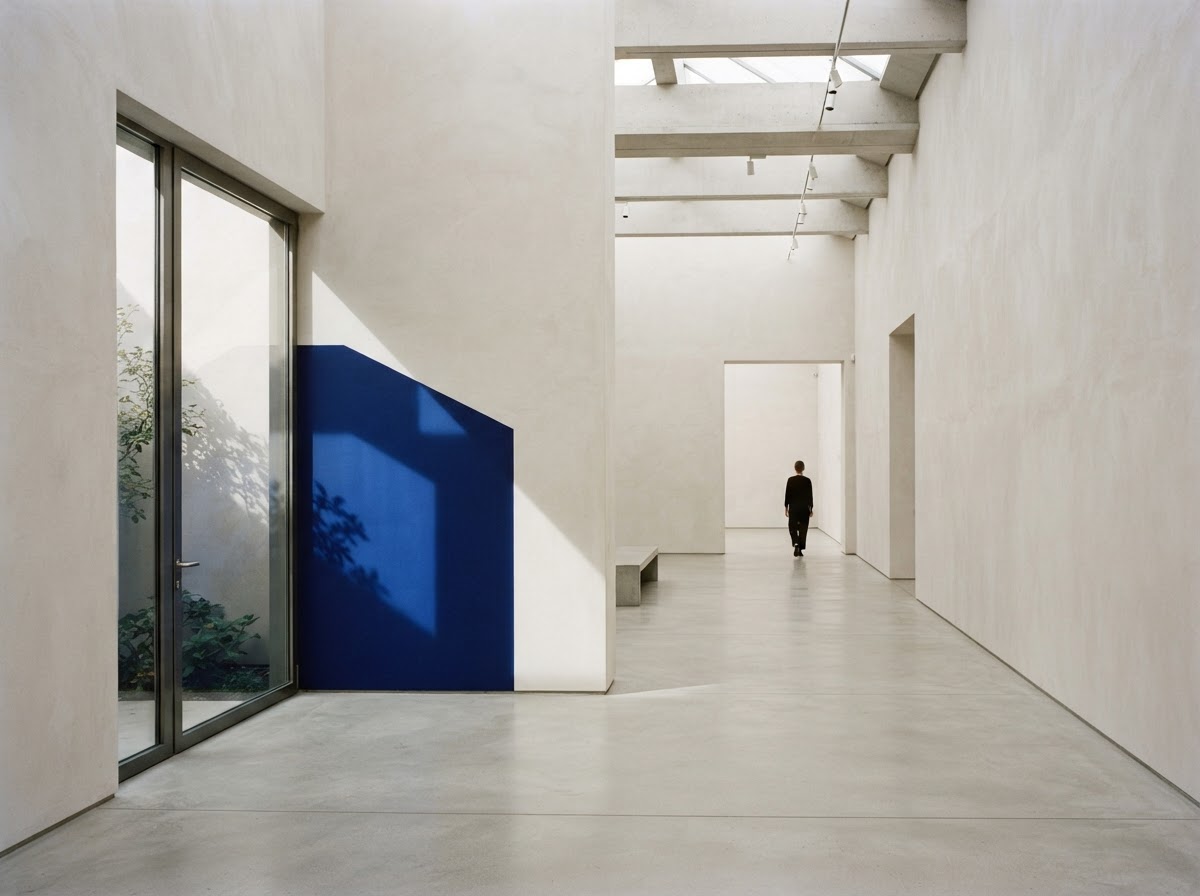
Minimal contemporary interior corridor with soft daylight and pale plaster
04 / Spatial typology
04

Contemporary Interiors

Interior architecture explores the organization of space from within. Light, materiality, circulation and proportions influence the atmosphere and functionality of an environment.

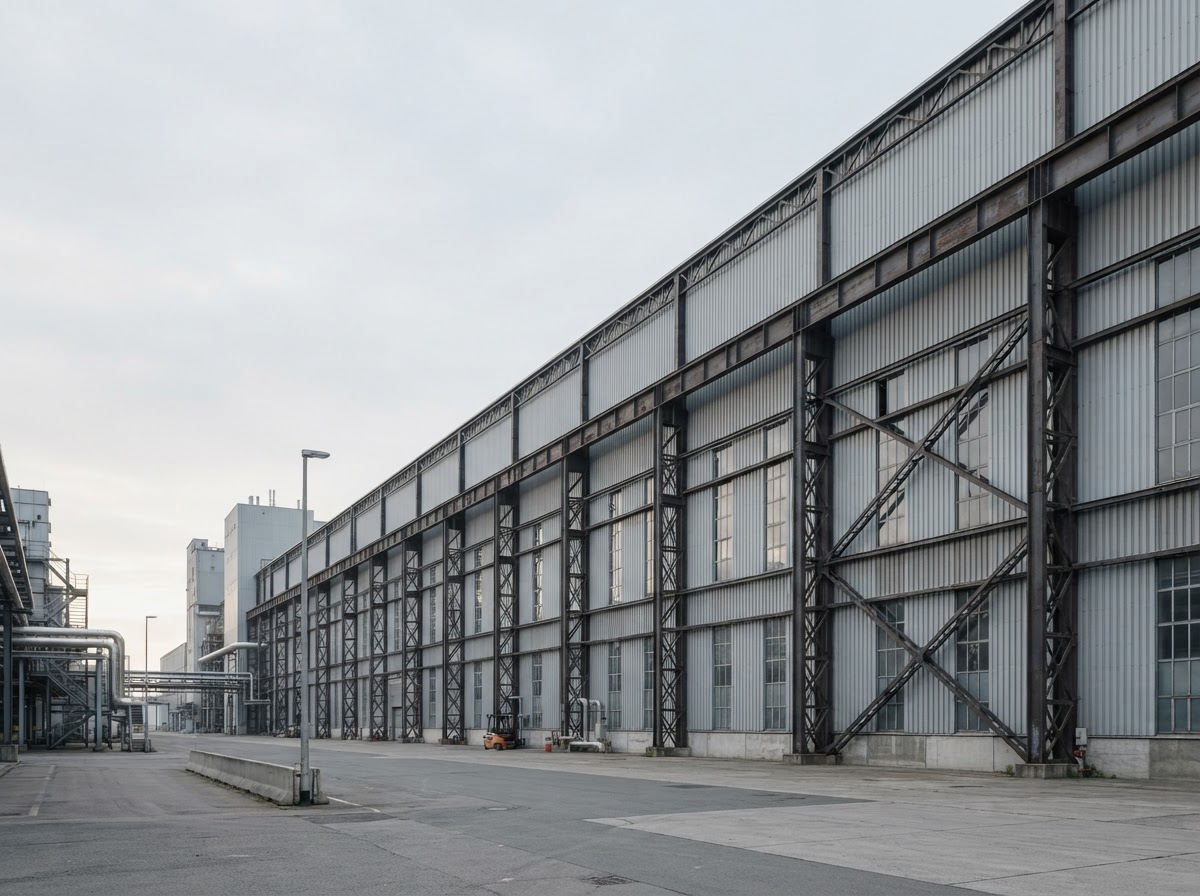
Monumental industrial facade with rhythmic steel structure
05 / Spatial typology
05

Industrial Architecture

Industrial architecture demonstrates how construction, scale and functional organization shape large built environments. Its visual language is often defined by structural rhythm, material expression and spatial efficiency.

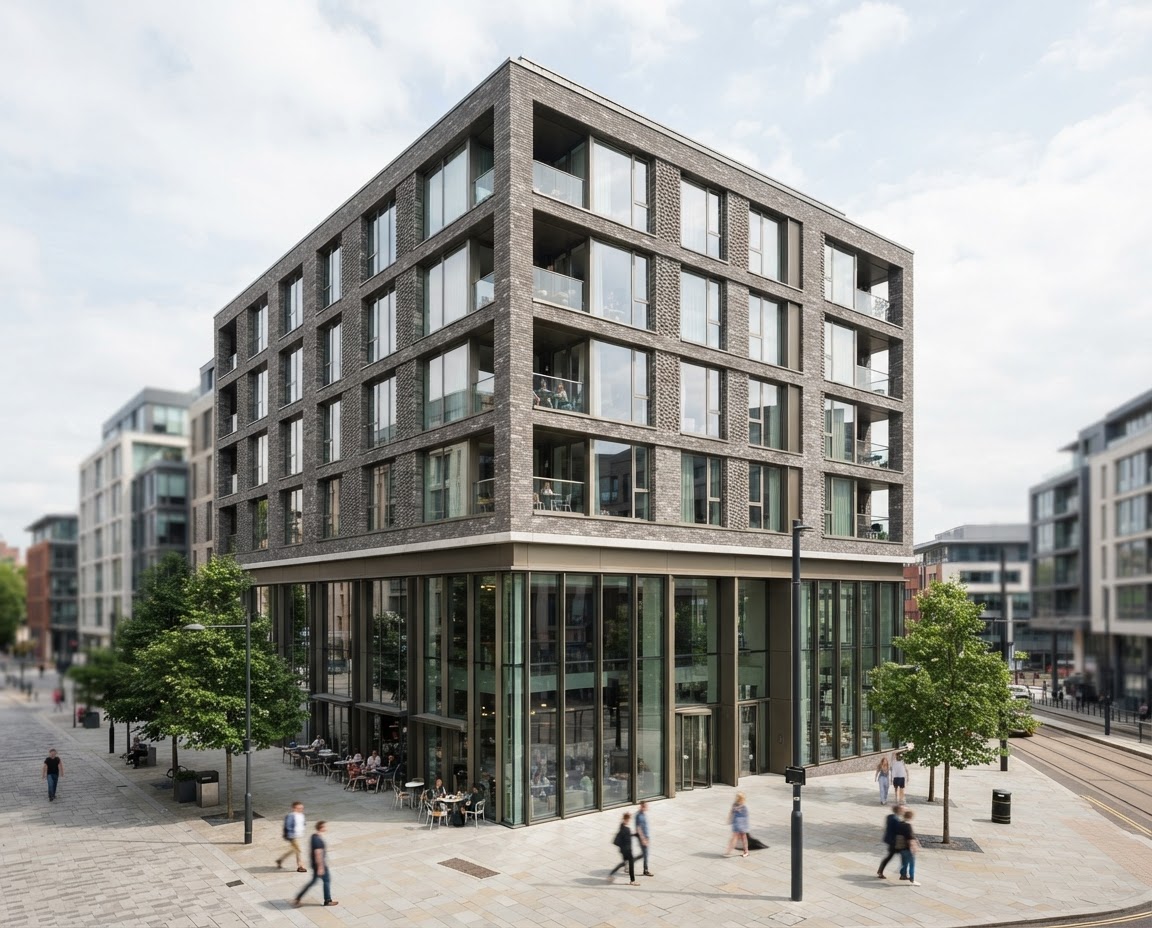
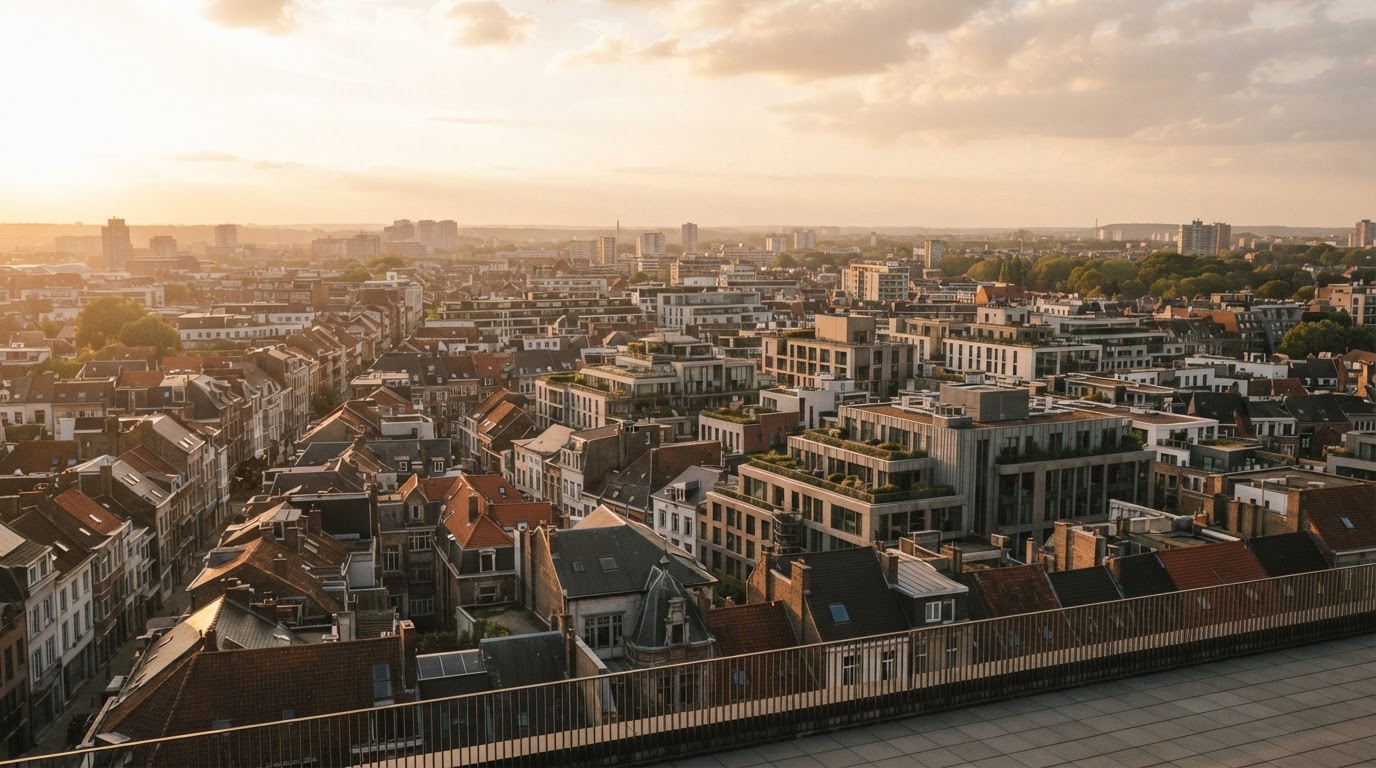
Contemporary mixed-use urban building combining brick, glass and varied volumes
06 / Spatial typology
06

Mixed-Use Environments

Mixed-use environments bring different spatial functions into closer relationship. Their design reflects the complexity of contemporary urban life and the interaction between different types of spaces.

Note Photographs throughout this journal are illustrative architectural references and do not depict properties owned, managed or rented by Vastgoed Kelchtermans.

03Reading the whole

A building in parts

Beyond
the facade

Every building is a composition of interconnected elements. Understanding these components helps reveal how architecture works as a complete spatial system.

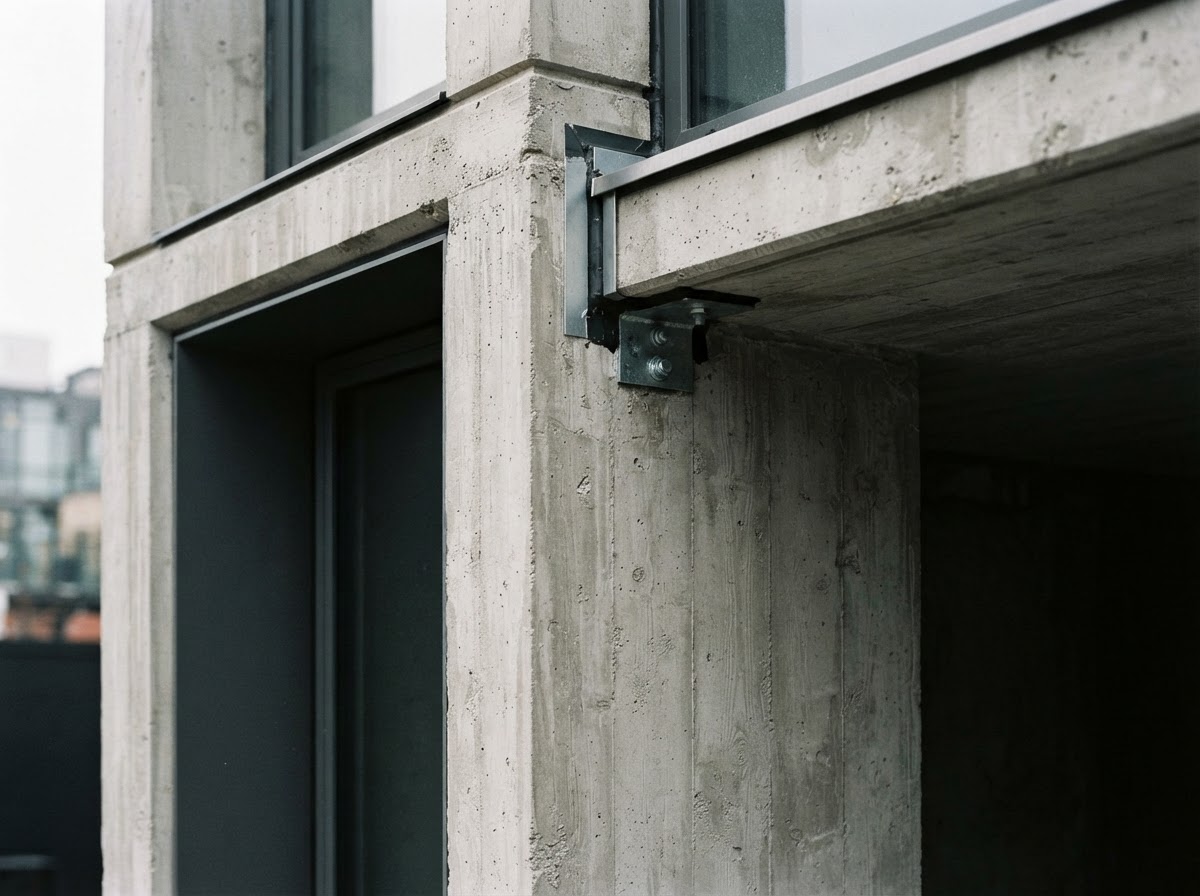
Architectural close-up showing a concrete facade edge, shadow and window reveal
Detail study / structure meets surface
01

Structure

Structural systems provide the framework that supports a building. Their arrangement influences proportions, spatial organization and architectural expression.

02

Facade

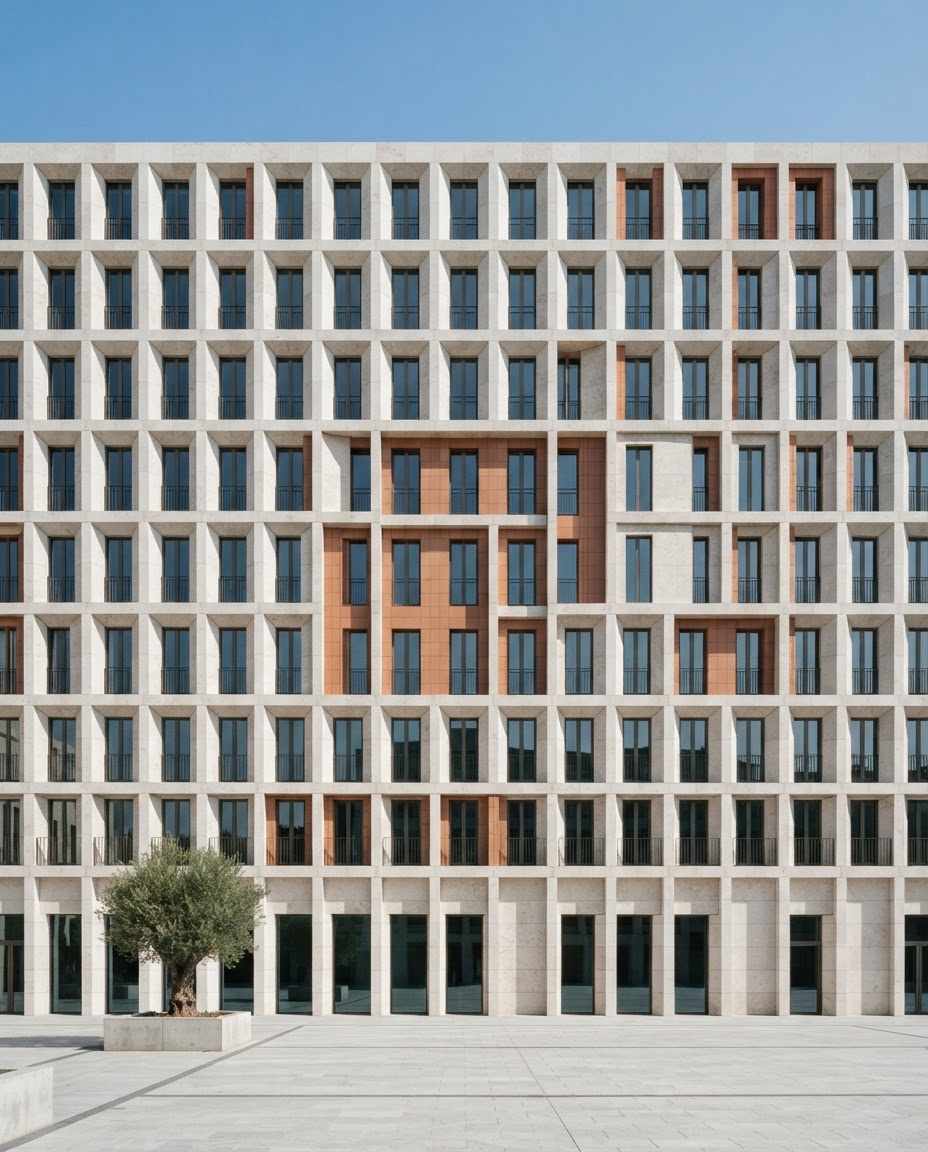
The facade defines the exterior appearance of a building. Materials, openings, rhythm and surface treatments contribute to its visual identity.

03

Interior Organization

The organization of interior spaces determines how different areas relate to one another and how people move through a building.

04

Natural Light

Natural light influences the perception of volume, texture and atmosphere. Openings and spatial orientation play an important role in the experience of interiors.

05

Surroundings

A building exists within a wider environment. Its relationship with streets, neighboring structures, landscape and infrastructure contributes to its overall context.

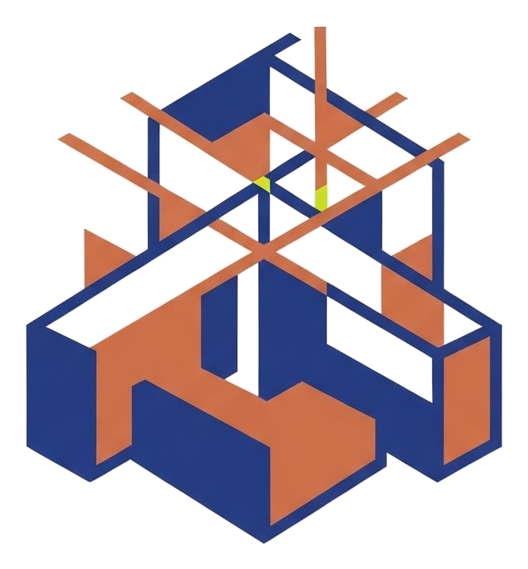
Reading note These diagrams and images are educational references, not technical documentation of any property.

04Use & place

Real estate in context

The value of a
well-considered space

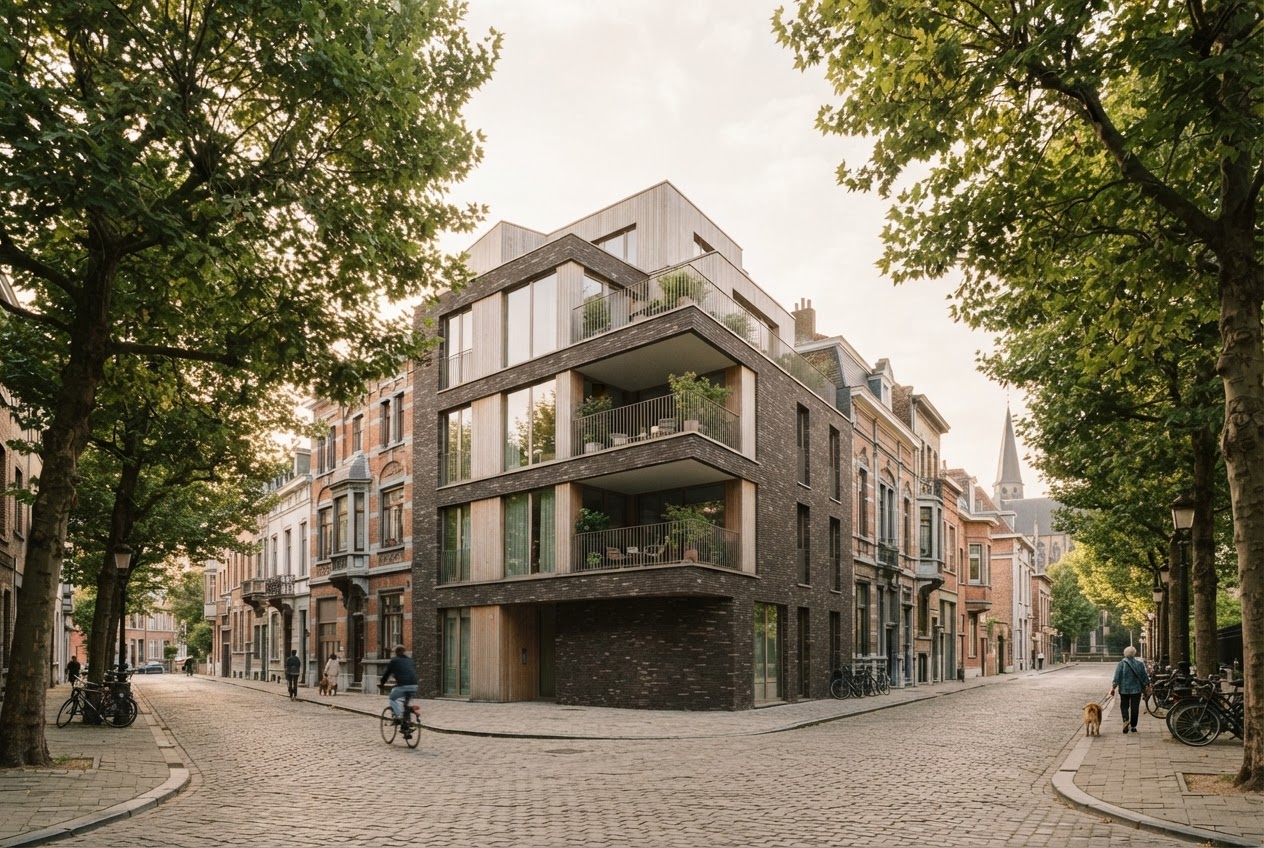
Contemporary building within a neighborhood of streets and trees
Architecture is always in conversation with its surroundings.
01

Property and Function

Every property has a spatial purpose. The relationship between its physical characteristics and intended use is an important part of understanding its place within the real estate landscape.

02

Location and Environment

A property's surroundings contribute to its identity. Urban connectivity, nearby infrastructure, neighborhood character and accessibility all influence the context in which a building exists.

03

Long-Term Perspective

Real estate is closely connected to long-term decisions. Building condition, functional adaptability and the evolution of surrounding environments are important considerations when evaluating property.
05Material studies

The character of architecture

Materials that
define space

Surface, texture and structure influence the way architecture is experienced.

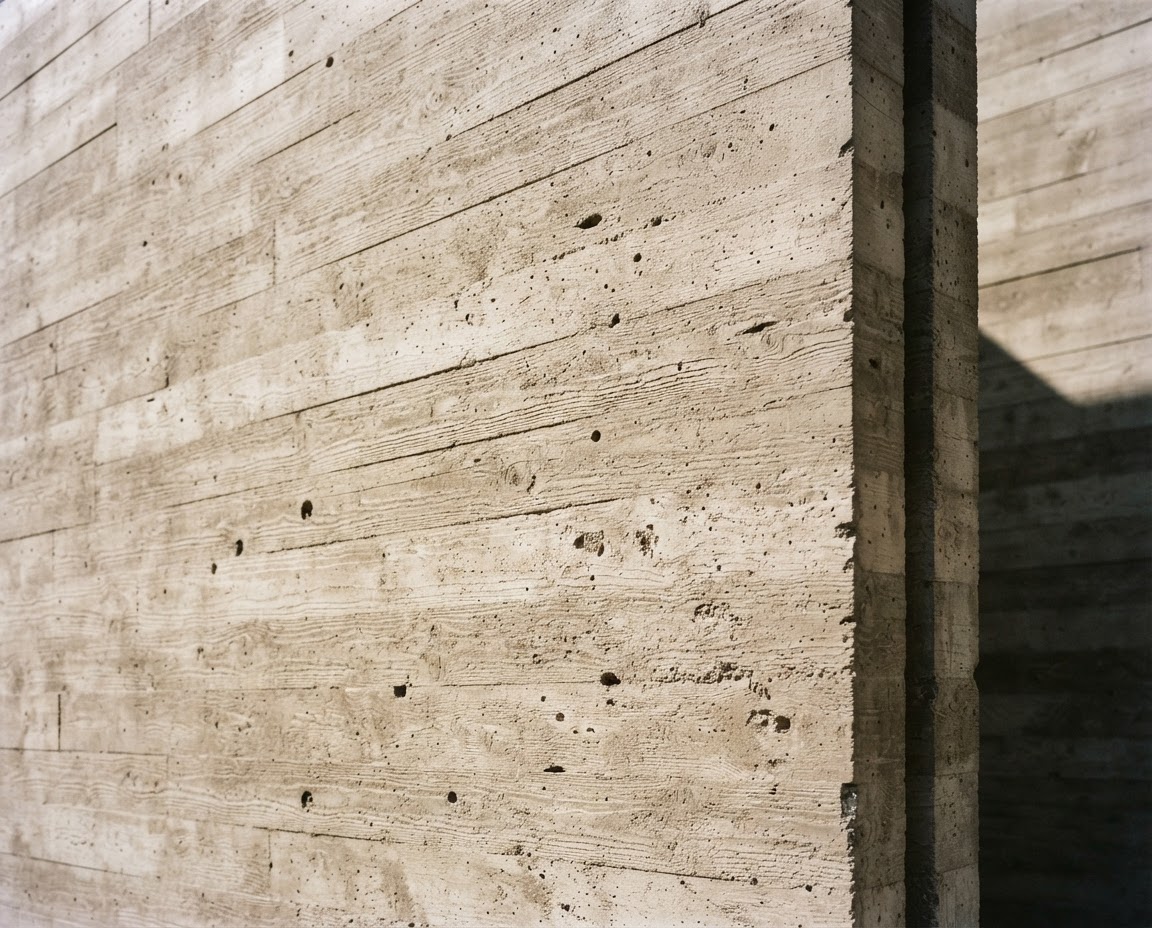
Board-formed concrete surface with monumental geometry and raking light
Concrete

Raw surfaces, geometric forms and monumental structures.

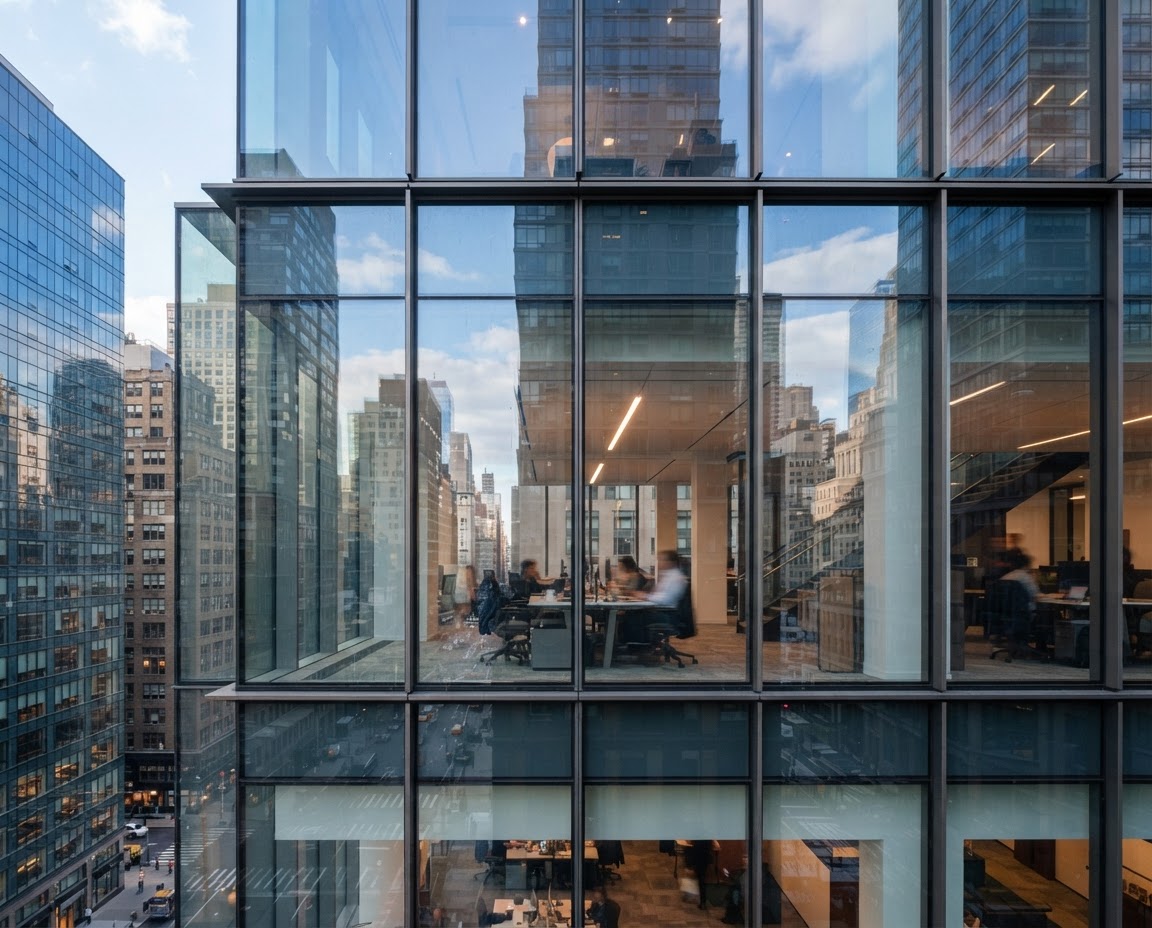
Reflective architectural glass layering sky and the surrounding city
Glass

Transparency, reflections and the relationship between interior and exterior.

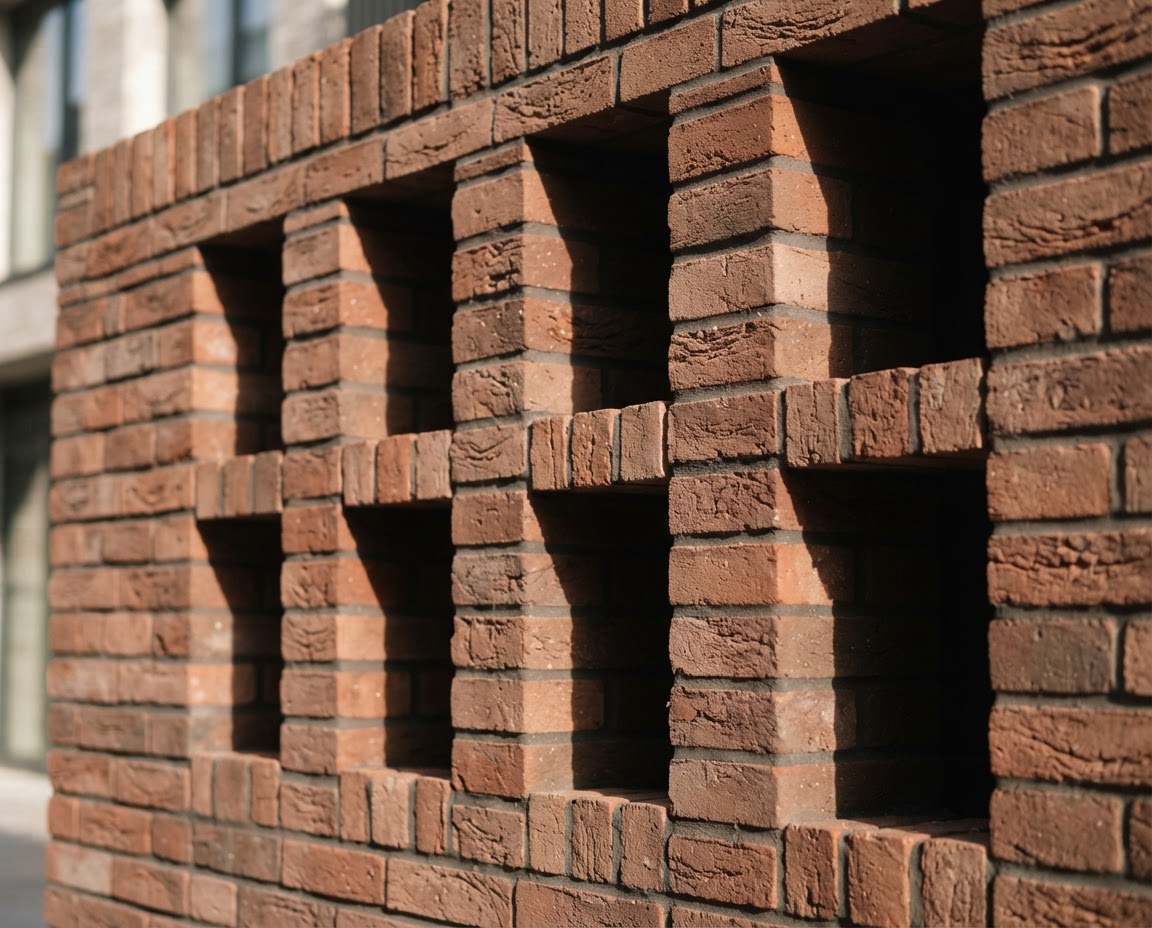
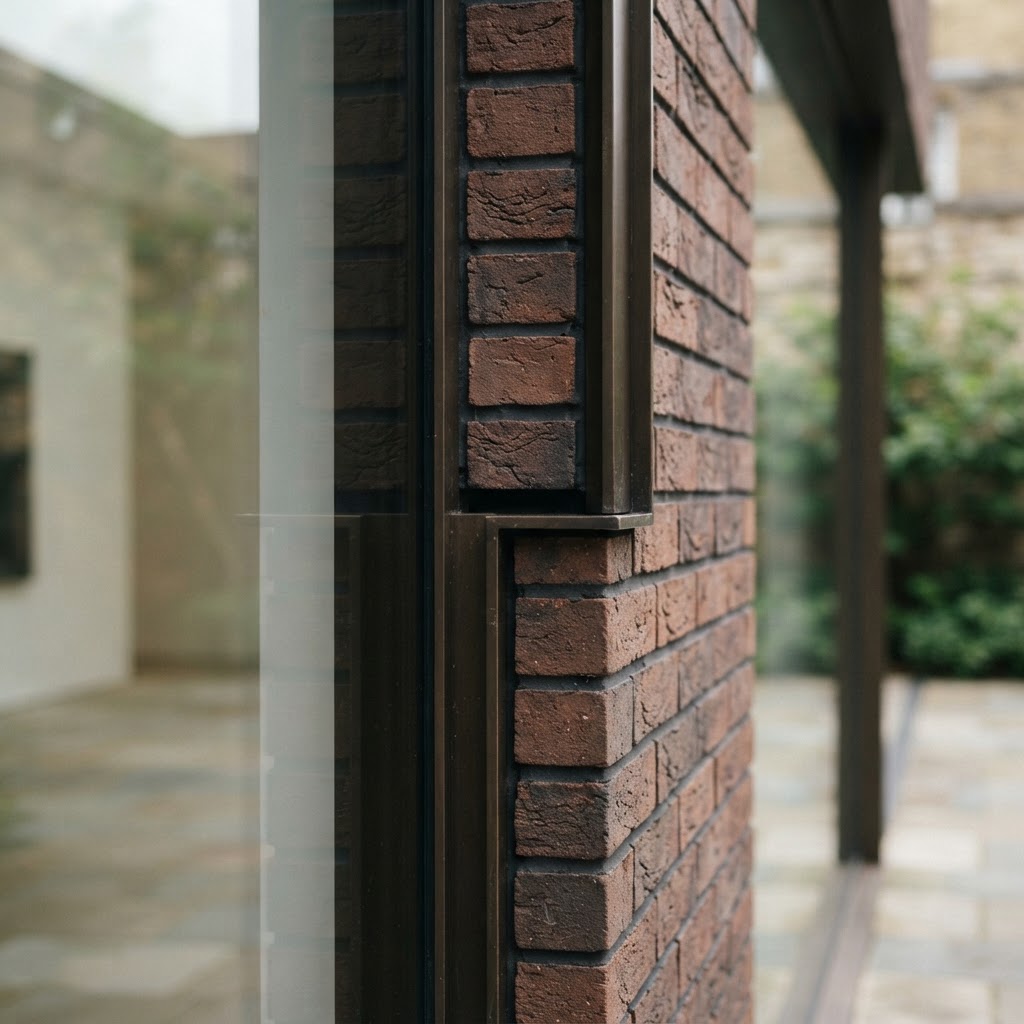
Tactile clay brick facade with repeating recessed openings
Brick

Repetitive patterns, tactile surfaces and architectural rhythm.

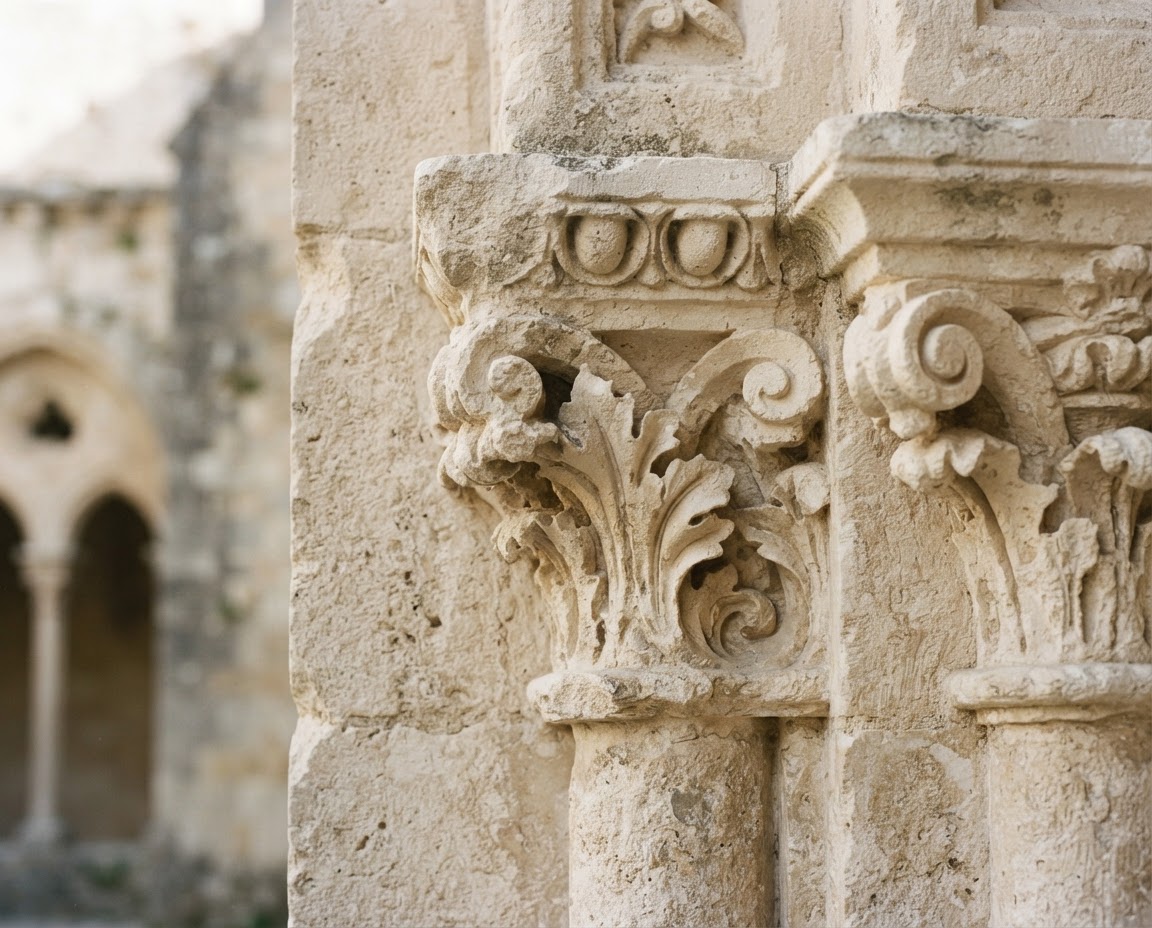
Pale natural limestone with a carved architectural detail
Natural Stone

Texture, durability and material expression.

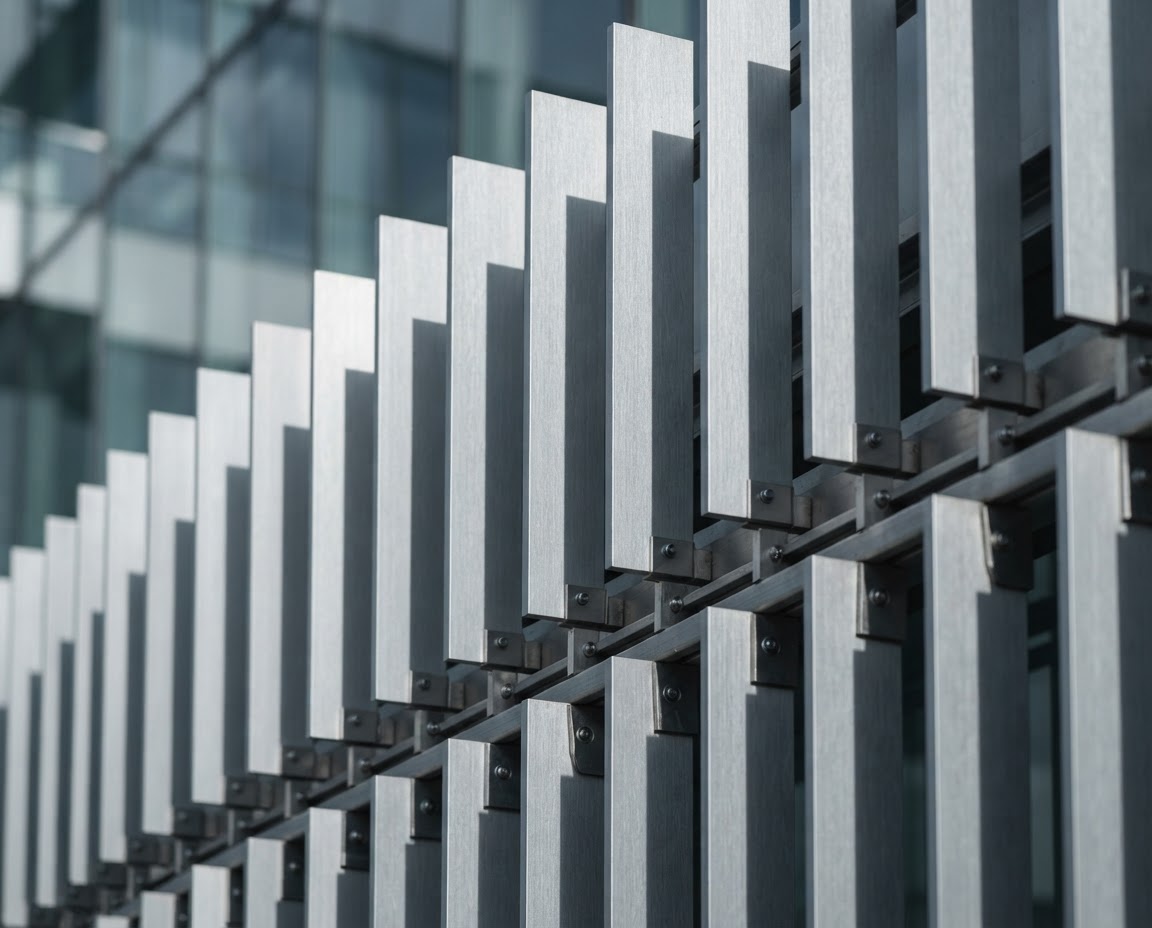
Brushed metal architectural fins in precise repeated alignment
Metal

Precision, structural clarity and contemporary architectural details.

06City study

A visual study of urban space

The city is
a composition.

Architecture does not exist in isolation. Buildings interact with streets, open spaces, neighboring structures and the movement of everyday life. Together, these elements form the spatial identity of an urban environment.

Repeating facade bays creating a measured city street rhythm
01 / Field note

Urban Rhythm

Repeating facades, architectural patterns, street perspectives and the visual rhythm of building arrangements.

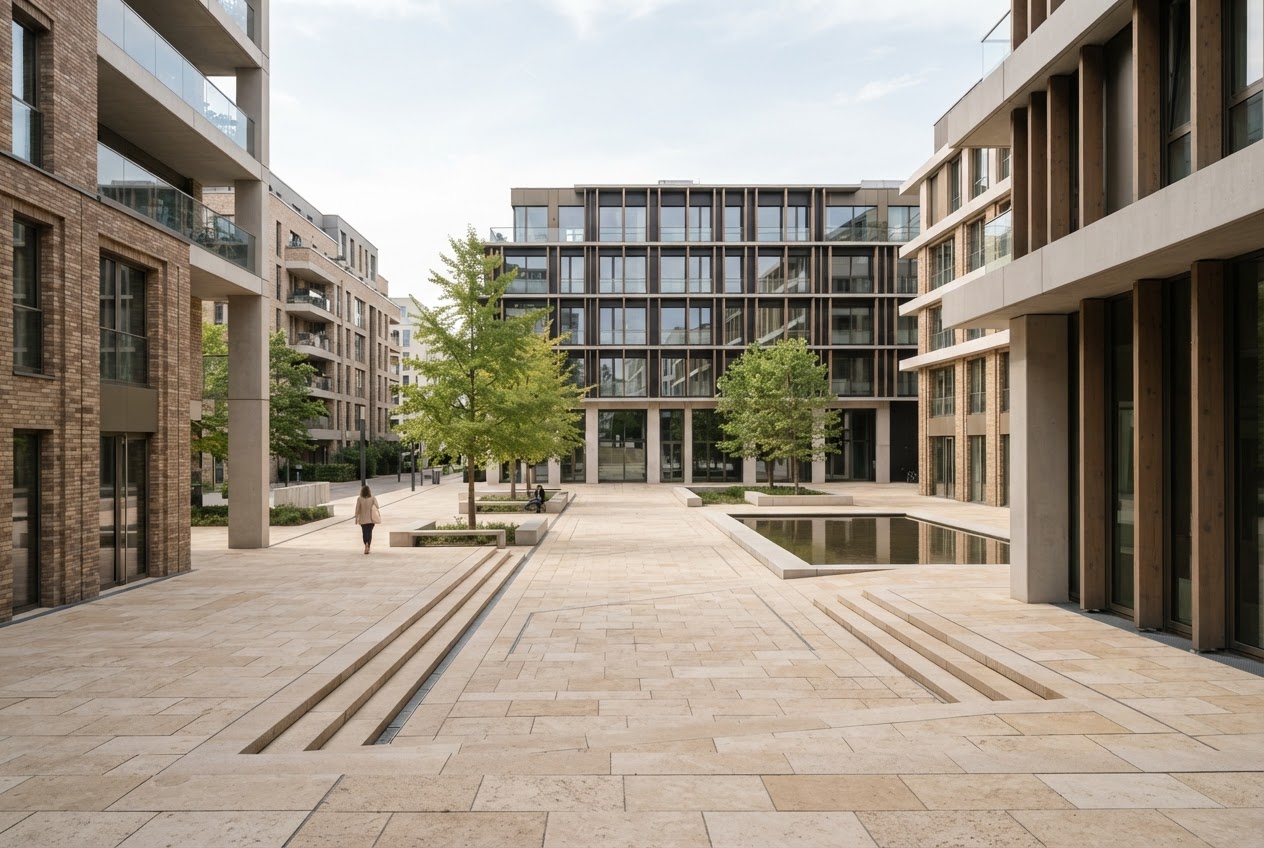
Open urban courtyard and plaza framed by contemporary architecture
02 / Field note

Open Space

Courtyards, plazas, pedestrian environments and transitions between built and open areas.

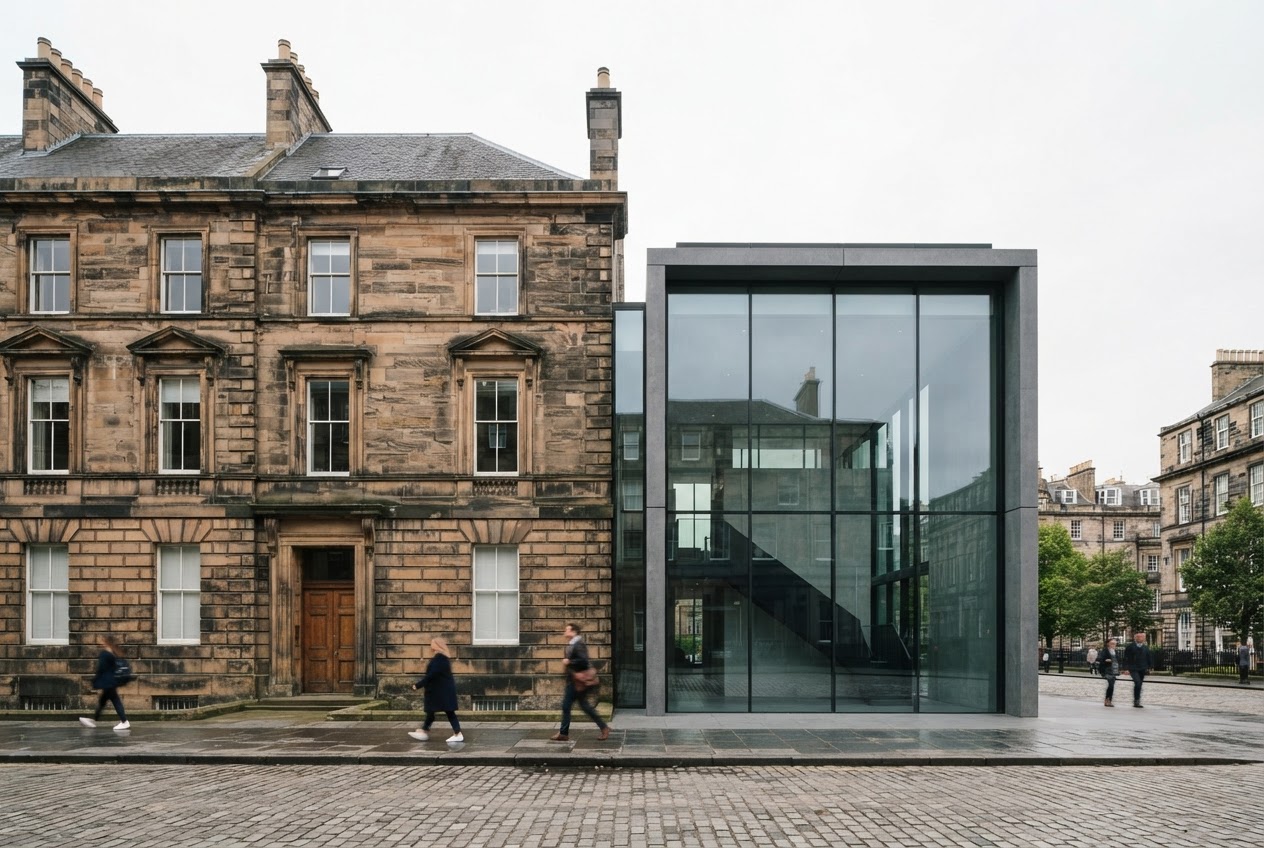
Historic masonry architecture beside a contemporary glass volume
03 / Field note

Architectural Contrast

The relationship between historic and contemporary structures, contrasting materials and different architectural scales.

07Reference notes

The real estate landscape

Understanding
the property landscape

01

Property Types

Real estate includes a wide range of property categories, from residential and commercial buildings to industrial facilities and mixed-use environments. Each category has its own spatial characteristics and functional considerations.

02

Building Condition

The physical condition of a building is influenced by its construction, materials, maintenance history and exposure to environmental conditions. A considered approach to property includes understanding these elements.

03

Adaptability

Buildings and their surrounding environments evolve over time. Flexible spatial organization and the possibility of adapting a property to changing requirements are important aspects of contemporary real estate.

04

The Surrounding Environment

The value and character of a property cannot be separated from its context. Local infrastructure, neighborhood development, accessibility and the surrounding built environment all contribute to its broader identity.

09 / Closing statementSpace is a point of view

A different way of looking at property

Good spaces are
understood,
not just seen.

Architecture, function and environment are inseparable parts of the real estate landscape. Looking at property through these different perspectives reveals the complexity and character of the built world.

Abstract geometric architectural composition in ultramarine, chartreuse, terracotta and pale concrete
Space / structure / place
Vastgoed KelchtermansEnd of study / Begin again
10Correspondence

Contact

Let's
connect.

For general enquiries and communication, please use the contact details below.

Vastgoed Kelchtermans
Address
Hemelingenstraat 18
3700 Tongeren-Borgloon
Limburg
Belgium

Write a note * Required fields

This form is for general enquiries.